


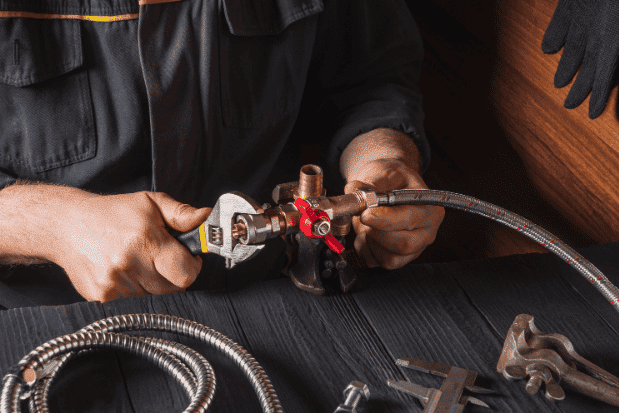
In South Africa, geyser installation must follow strict compliance standards to ensure safety and efficiency. According to SANS 10254, every new geyser installation must be fitted with the correct pipe connections, valves, and vacuum breakers to protect the system and prevent costly damage. Proper geyser compliance is not just about safety – it also ensures that insurance companies will honour claims should a repair or replacement be required. A compliant installation helps secure reliable hot water heating for years to come.
When considering alternatives to traditional electrical geysers, many homeowners in South Africa look at gas geysers and solar geysers. Gas geysers provide instant hot water and are ideal when the electricity supply is unreliable, while solar geysers use the sun’s energy to reduce monthly costs and reliance on the grid. Both options still need to be connected correctly to the cold water supply and must meet the gas geyser regulations South Africa for pipes, valves, and safety fittings. Understanding these differences helps you choose the best long-term heating solution for your household.
Installing a geyser is not a simple DIY project – it requires professional knowledge to comply with SANS 10254. The process begins with correctly positioning the new geyser near the water supply and ensuring that the pipework and valves are installed to handle both cold water inlet and hot water outlet. Safety devices such as vacuum breakers and pressure release valves must be included to avoid accidents. The plumber must also confirm that the electricity connection is safe for electrical heating systems. Without following these steps, you risk voiding your insurance company’s cover and facing expensive repairs.
Finding the right plumber or installer is essential for both gas geyser installation and electrical storage water heating systems. A qualified professional will not only guarantee that your system delivers reliable hot water but will also provide the compliance certificates required by insurance companies. If you are based in Cape Town, always confirm your installer is licensed and experienced with both plumbing and heating systems before committing. Contact Flush and Rush today to ensure fast, reliable service for geyser installation, compliance, repairs, and all your plumbing needs.
In South Africa, SANS 10254 sets the official standard for fixed electrical storage water heating. It requires that all replacement geyser installations performed after 8 July 2006 comply with strict rules on drip trays, overflow pipes, insulation, electrical connections, and safety valves. This ensures proper workmanship, protects against safety hazards, and keeps your installation covered by insurance companies.
The Institute of Plumbing SA (IOPSA) and the Plumbing Industry Registration Board (PIRB) oversee compliance and standards within the plumbing industry. When you install or replace a geyser, a registered plumber must issue a Certificate of Compliance, confirming the work meets South African regulations. PIRB also conducts audits to make sure non-compliant installations are corrected, helping protect homeowners from future risks.
Every installation to have a geyser must include a correctly fitted geyser drip tray and overflow pipe. These components protect the exterior of the building and the interior structure from water damage if a leak occurs. Without them, even a small drip can damage the main supply pipes, electrical connections, or insulation around the geyser, creating costly repairs and potential health and safety hazards.
The installation cost of a replacement geyser depends on factors such as the type of appliance, size of the tank, complexity of hot and cold water connections, and whether additional geyser components like a thermostat or new tap fittings are required. While prices vary, a compliant installation may seem higher upfront – but it ensures long-term safety, helps you save on electricity, and keeps your home insured.
To avoid misinterpretation of the rules and regulations, homeowners should never tamper with electrical connections, insulation, or geyser components themselves. Keep the area around the geyser clear, check regularly for leaks, and ensure a qualified plumber handles any repair or replacement. Following these health and safety precautions protects your home, prevents damage, and ensures compliance with South African standards.
Mon - Fri 08AM - 6PM
Cape Town, South Africa
Our Socials
Mon - Fri 08AM - 6PM
Cape Town, South Africa
Our Socials
