


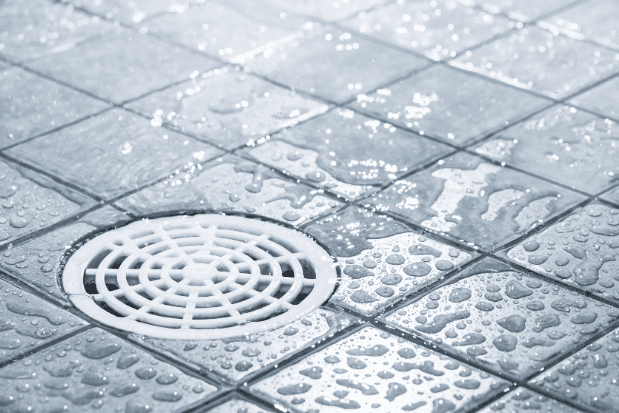
Understanding the question “how do you unblock a shower drain” is essential for homeowners, as hair and soap scum can quickly turn a relaxing shower into a mess. Standing in pooling water is a clear sign that your drainage system is struggling. If left untreated, slow drains cause foul odours, pipe damage, and bathroom flooding. This guide covers the most effective ways to clear your pipes using household hacks and mechanical tools, helping you restore flow without an emergency call-out.
Shower clogs usually result from a slow accumulation of debris narrowing the pipe’s diameter over time. Understanding what is happening beneath the surface is the first step toward a fix.
Hair is the primary enemy of the bathroom drain. Individual strands catch on rough edges or pipe joints, acting like a net for soap residue and skin cells. Over time, this creates a dense, waterproof mat.
Fats in bar soaps react with water minerals to create a waxy residue known as soap scum. This coats the interior of your pipes and provides a sticky surface for other debris to latch onto. In South Africa, hard water areas experience this build-up much faster than others.
Over time, calcium and magnesium deposit on pipe walls. This scaling creates a rough interior surface that makes it easier for organic matter to get stuck, eventually leading to a significant blockage that restricts water flow.
Catching clogs early allows you to use common household items. These techniques are non-invasive and work best for minor blockages before they reach deep into your home’s main plumbing lines.
For fresh soap scum clogs, boiling water can often melt the waxy fats holding the debris together. Pour a full kettle slowly down the drain in two or three stages.
Note: If you have PVC (plastic) pipes, use very hot tap water instead of rolling boiling water to prevent warping the pipe joints or seals.
This chemical-free method dislodges soft debris safely using a pressurised reaction. Pour half a cup of baking soda down the drain, followed immediately by half a cup of white vinegar. Cover the drain with a plug or a damp cloth for 30 minutes to force the foaming reaction downward. Afterwards, flush with hot water to clear out the loosened sludge.
Often, clogs sit right at the surface of the grate. Remove the drain cover and look for hair snagged on the crosshairs. You can use needle-nose pliers or a wire coat hanger with a small hook fashioned at the end to fish the hair out. This is frequently the fastest way to clear a shower drain instantly and prevent the mass from moving deeper into the P-trap.
When liquids fail, you need physical force to reach clogs hiding deeper in the plumbing.
A standard plunger works well for shower drains if you can create an airtight seal. Smearing a bit of Vaseline around the rim of the plunger can help it grip the shower floor. Push down gently to expel air, then pull up sharply. This suction creates a vacuum that can yank a clog loose and bring it to the surface for manual removal.
A snake is a flexible cable you “crank” into the drain. As it rotates, it either breaks the mass apart or hooks it for removal. If you hit resistance, rotate the handle gently to let the head “chew” through the hair mass. This is often the final DIY step before professional plumbing intervention becomes necessary.
If DIY methods fail, the blockage is likely further down the line or caused by structural issues like tree root intrusion or a collapsed pipe.
Professional Note: Frequent monthly clogs suggest a partial blockage that DIY tools are just moving around. A professional high-pressure clean is the only permanent solution to prevent recurring backups. Contact Flush and Rush Plumbing today for all of your unblocking and unclogging needs!
The best way to unblock a drain is to prevent the clog from forming in the first place:
No. Caustic cleaners generate intense heat that can damage plastic pipes and eat through rubber seals. They are also highly toxic to the environment and pose a risk of chemical burns.
This odour comes from decomposing organic matter (hair and skin) trapped in the soap scum. A baking soda and vinegar flush usually kills the bacteria and neutralises the scent.
Yes. Set the vacuum to “liquid” mode, create a tight seal over the drain with a wet rag, and use the suction to pull the clog out. This is often more effective than a plunger for heavy hair clogs.
If water backs up in the shower when you flush the toilet, or if multiple drains are slow simultaneously, the problem is likely in your main sewer line rather than just the shower drain.
Salt acts as a mild abrasive for grease, but it is rarely enough to clear a heavy hair clog. It is much more effective as a monthly preventive measure to ensure you never have to ask the question; how do you unblock a shower drain, again.
Mon - Fri 08AM - 6PM
Cape Town, South Africa
Our Socials
Mon - Fri 08AM - 6PM
Cape Town, South Africa
Our Socials
